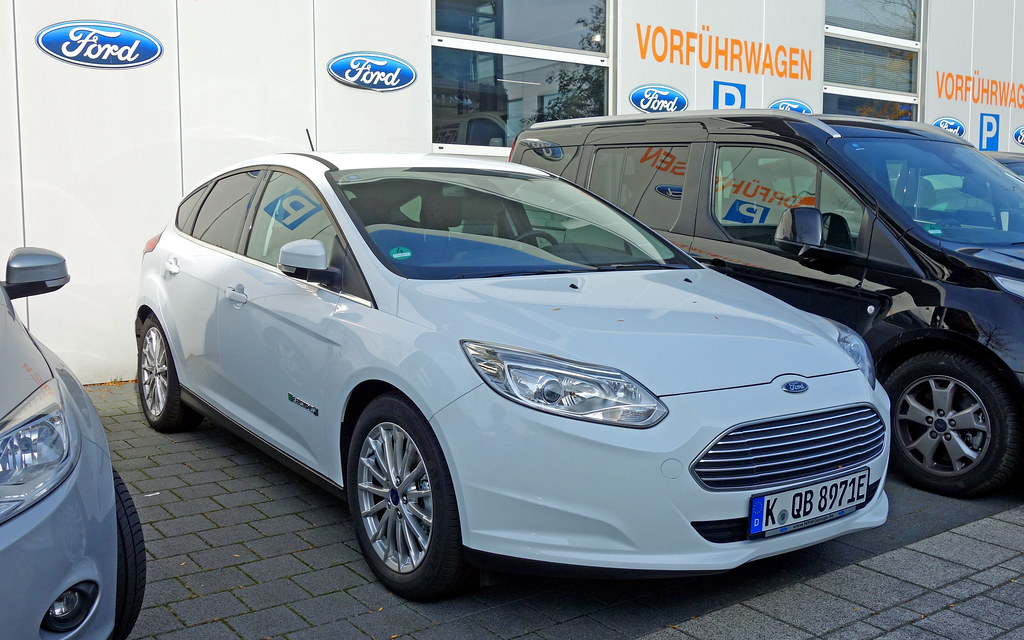
Ford Motor Company’s Focus 2013 Electric is powered by a lithium-ion battery system which gives it a fuel efficiency rating of 110 MPGe city, 99 MPGe highway, 105 MPGe combined. Source: Ford Motor Company 2013 Focus product sheet.
What is MPGe?
It sounds odd, providing miles per gallon figures for a car that uses no gasoline so here’s the offical explanation: Miles per gallon equivalent (MPGe) is used to compare energy consumption of alternative-powered vehicles.
MPGe tells how much gasoline and how much electricity would be used to generate an equal amount of power. One gallon of gasoline equals 33 kilowatt-hours of electricity. Now you know.
Focus specs:
- Powertrain: Permanent magnet all electric traction motor with single-speed automatic transmission
- Power: 143 hp, 107 kW, Torque: 184 lb.-ft., 250 Nm
- Seating: five
- Ambient lighting with seven switchable colors
- Standard Audio System by Sony® and HD Radio™ with iTunes Tagging
- Where built: Wayne Assembly Plant, Wayne, Michigan
Fast Recharge
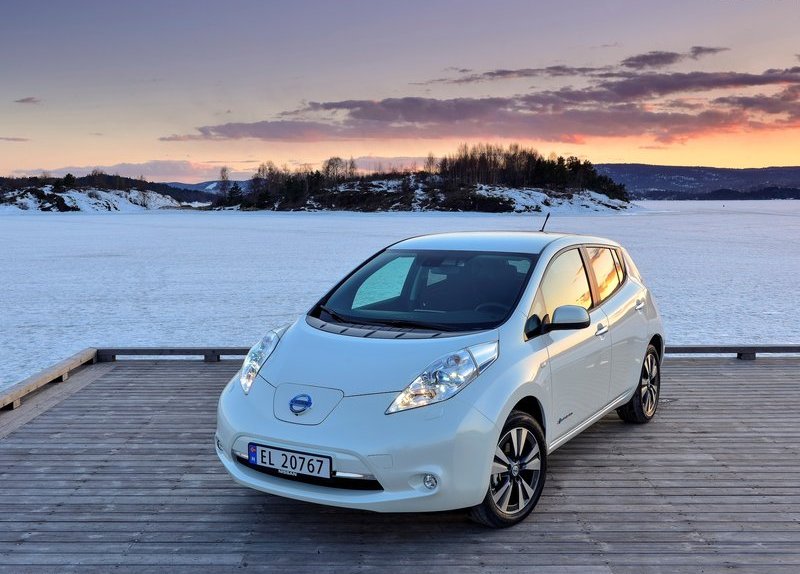
The all-electric Focus is capable of fully recharging in four hours at home using the available wall-mounted 240-volt charge station. This compares favorably with competitors like the Nissan Leaf.
According to Ford, the Focus Electric offers enough range (up to 76 miles) to meet the daily needs of most American drivers, and a top speed of up to 84 mph. Operative words in both cases being “up to.”
Battery Power
The Focus Electric’s lithium-ion battery system offers more power and less weight than comparable nickel metal-hydride systems. The battery’s power output is 23kWh, with advanced liquid heating/cooling to regulate battery temperature. This helps maximize battery life and miles from each charge. Regenerative braking boosts range by capturing up to 90 percent of energy lost through friction brakes.
What’s the Price? The Focus Electric is available at one of Ford’s certified electric vehicle (EV) dealers. MSRP is $39,200.00. Be sure to ask your tax advisor to see if you qualify for a federal tax credit of up to $7,500 – operative words being “up to.”
 Electric Vehicle Car Blog